

『Lubricating Oil Flow Meter DN80 Centralized Lubrication Network Setup』Related information(clamp on meter|electromagnetic meter|venturi meterrotameter|orifice meter|ultrasonic flow meter|mass flow meter|coriolis mass flow meter|coriolis flow meter|magnetic flow meter|magmeter flow meter|magflow flow meter|mag meter flow meter|electromagnetic flow meter|vortex flow meter|turbine flow meter|thermal mass flow meter|thermal flow meter|rotameter flow meter)
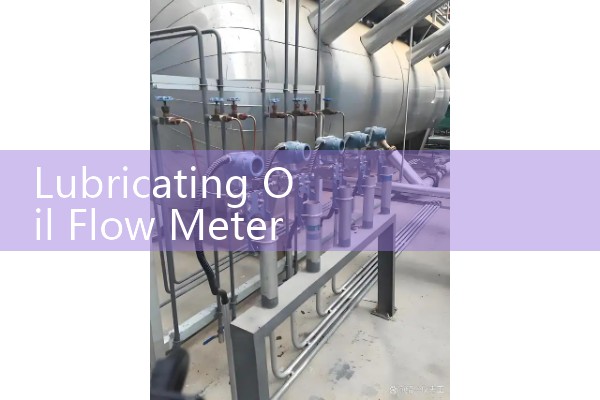
Lubricating Oil Flow Meter DN80 Centralized Lubrication Network Setup
Quick Answer
A DN80 oval gear flow meter gives you the most stable and repeatable measurement in a centralized lubrication network. It ignores viscosity swings from ISO VG 68 to ISO VG 460 and outputs pulses or 4-20 mA directly to your PLC. For outdoor skids in Southeast Asia or the Middle East, specify an aluminum or stainless steel body with PTFE gears and integrated RTD temperature compensation.
Oil viscosity is the first thing you size for
Many engineers pick a turbine or vortex meter because they work well on diesel. But centralized lubrication loops pump heavy oil. A steel plant in Vietnam runs ISO VG 320 at 55°C through a DN80 header. A turbine meter would lose accuracy below 30 cSt and fail when cold oil hits 800 cSt. Silver Instruments oval gear meters measure clean lubricating oil from 2 cP to 100,000 cP without recalibration.
We keep the meter internals simple. Two precision oval rotors mesh inside a measurement chamber. Every full rotation displaces a fixed volume. So the pulse count represents true volumetric flow. There is no need to compensate for velocity profile or require long straight pipe runs. You can mount the meter right after a strainer or near a distribution block. That flexibility saves space on a crowded lube skid.
DN80 installation rules that prevent field failures
A DN80 meter in a centralized system can easily see 120 L/min to 800 L/min of ISO VG 220 oil. In practice, sizing the meter to 60-70% of its maximum flow keeps the pressure drop below 0.2 bar. Most engineers skip this part and then get alarms. Here is the thing. When you have a progressive feeder block downstream, back-pressure pulses can churn the rotors and wear out the bearings early.
Always install a Y-type strainer with 60 mesh screen upstream. Last year a customer in Nigeria replaced two oval gear meters within six months because he omitted the strainer and fine metal particles jammed the gears. We supplied a DN80 meter with tungsten carbide bearings and a magnetically coupled register to eliminate shaft seal leaks. With clean oil and correct inlet pressure below 40 bar, that meter has run for 14 months without a pulse loss.
Signal integration for PLC and DCS
Silver Automation Instruments configures the DN80 lubricating oil meter with dual outputs. A 4-20 mA loop reports instantaneous flow rate and a pulse output sends volume total. The frequency range is 0-1000 Hz, which matches most remote I/O cards. In a cement plant in Colombia, the automation team requested a pulse scaler built into the amplifier to step down high-frequency signals from a 2000 pulse per litre meter. We set the scaler to 10 pulses per litre and the PLC counted without dropping edges.
If your network covers a large factory, you might want MODBUS RTU over RS485. We add a small converter board inside the junction box. That way you read flow rate, total, temperature, and diagnostic alarms on a single twisted pair. Avoid running the signal cable in the same tray as VFD motor cables. Use shielded twisted pair and ground the shield only at the PLC cabinet. A mining customer in Zambia learned this after their flow total jumped every time a ball mill started.
Material choices for long life in tropical and coastal areas
Aluminum housings are common and cost less, but they do not like salty air. For an offshore platform in Indonesia or a marine lubrication skid in Australia, pick a stainless steel body. The internals stay the same. PEEK or PTFE rotors handle chemical additives inside the oil. Tungsten carbide shafts and journal bearings give you a service life beyond five years even with 24-hour operation.
Temperature matters more than most guys think. At 80°C thermal expansion can change the rotor clearance and a
Frequently Asked Questions
Why should I use an oval gear meter instead of a Coriolis meter for lubricating oil?
For a DN80 pipe moving 300 L/min of ISO VG 220 oil, an oval gear meter costs roughly 55% less than a comparable Coriolis mass meter. Coriolis gives you mass flow and density, but in a centralized lubrication network you care about volumetric flow to confirm oil delivery to bearing blocks. An oval gear meter needs no zero calibration, handles vibration well, and installs without rigid support frames. If the application demands active mass balance or multiphase detection, then a Coriolis is worth the budget. But for routine monitoring of lube oil supply lines, oval gear is the practical choice.
Does viscosity change affect the accuracy of a DN80 oval gear meter?
A well-built meter with tight rotor clearances will hold 0.2% to 0.5% accuracy across a 100 cP to 2000 cP swing. The real error comes from slippage at very low flow and very high temperature. We counteract this by selecting rotor materials with a low thermal expansion coefficient. In cold start conditions with ISO VG 460 oil at 20°C, the meter might under-register by 0.3% until the oil warms up. For systems that start and stop frequently, we add an RTD sensor and let the transmitter apply a small temperature compensation curve.
What output signals are available for remote monitoring?
You can choose 4-20 mA + pulse, pulse + MODBUS RTU, or dual pulse output with a 90-degree phase shift for direction sensing. Most centralized networks use a simple pulse output wired to a PLC counter card. Silver Instruments can pre-set the K-factor to a whole number like 100 pulses per litre to make programming easier. The transmitter housing carries an ATEX Zone 2 approval for gas environments. For Zone 1, we supply an intrinsically safe version with an external barrier.
How do I install a DN80 meter in a skid with limited straight pipe?
Oval gear meters do not require straight run upstream or downstream. You can bolt the meter directly to a 90-degree elbow or a reducing tee. Keep the meter bore fully flooded and avoid air pockets by mounting the meter in a horizontal line with the register facing upward. If you need to put it in a vertical pipe, locate the meter where the flow goes upward so gravity fills the chamber. Place a check valve downstream to prevent oil backflow that can spin the rotors backward and damage the gears.
What pressure and temperature limits should I specify?
Standard DN80 meters handle 40 bar at 20°C and derate to about 24 bar at 120°C. High-pressure versions with a ductile iron body go to 100 bar. Always state the maximum working pressure when requesting a quote. A food-grade lubricating oil system in a Philippine bottling plant ran at only 8 bar but cycled between 30°C and 110°C every two hours. We supplied a unit with FKM seals and an integrated thermal relief valve to prevent overpressure during temperature spikes.
Get a quote for your DN80 lubrication meter. Tell us your oil type, viscosity at working temperature, min and max flow in L/min, operating pressure in bar, and ambient conditions. Our engineers select the rotor material, bearing type, and output combination that matches your centralized network. Email your parameters to [email protected] or use the inquiry form on the DN80 oval gear meter product page.
 Hot Blog
 Related AD