

 Current position > News detail
『Jandy Flow Meter Instructions: Balancing GPM Pool Turnover Rates for Efficient Chlorinator and Heater Loops』Related information(clamp on meter|electromagnetic meter|venturi meterrotameter|orifice meter|ultrasonic flow meter|mass flow meter|coriolis mass flow meter|coriolis flow meter|magnetic flow meter|magmeter flow meter|magflow flow meter|mag meter flow meter|electromagnetic flow meter|vortex flow meter|turbine flow meter|thermal mass flow meter|thermal flow meter|rotameter flow meter)
Jandy Flow Meter Instructions: Balancing GPM Pool Turnover Rates for Efficient Chlorinator and Heater Loops
Quick Answer: Set the loop flow so the chlorinator cell and heater both see their required GPM range. For a 50,000 gallon commercial pool with a 6 hour turnover, target about 139 GPM. Check the Jandy flow meter reading at normal pump speed and again with all valves in their normal running position.
This guide follows the Jandy Flow Meter Instructions for balancing GPM pool turnover rates for efficient chlorinator and heater loops. The field numbers below matter more than a generic product list. Silver Automation Instruments supplies industrial flow meters for water treatment loops, commercial pools, and resort mechanical rooms.
Pool Turnover Rate Calculation You Can Use on Site
Pool turnover rate is pool volume divided by flow rate. Use this formula: Turnover hours = pool volume in gallons / (GPM x 60). For a 40,000 gallon pool flowing at 120 GPM, turnover is 40,000 / (120 x 60) = 5.6 hours. Most commercial pools target 4 to 6 hours. Spas and hot tubs often target 30 minutes.
Do not rely on the pump curve alone. A pump curve shows ideal head. The installed system has pipe friction, filter loading, and heater pressure drop. Read the flow meter after the filter when the filter is dirty. That is the real flow for turnover.
Most engineers skip this part. They read the flow meter before the filter is loaded. Then the pool turnover time looks better than it is. A dirty filter can reduce flow by 15 to 25 percent. That changes the GPM balance for the chlorinator and heater loops quickly.
Jandy Flow Meter Reading and Sensor Location
Jandy flow meters often appear on 2 inch or 2.5 inch PVC lines. The GPM scale is marked on the clear body or dial. Read the top of the float or the paddle wheel indicator at eye level. A tilted meter can add 5 to 10 percent error. In practice, operators read the value too fast and miss a sticking float. Tap the meter body gently if the float does not settle.
Install the meter with enough straight pipe. For a paddle wheel meter, allow at least 10 pipe diameters upstream and 5 downstream. For a full bore electromagnetic flow meter from Silver Instruments, the requirement is lower. 5 diameters upstream and 3 downstream is enough in most pool equipment rooms.
Chlorinator Loop Requirements
Because a salt chlorinator does not need pressure, it needs a steady flow through the cell. If flow is too low, the cell can produce gas pockets and the flow switch may trip. If flow is too high, the chlorine contact time drops and the cell plates erode faster. Most commercial cells need 20 to 80 GPM. Larger systems may need 100 to 150 GPM. Check the cell label for its exact GPM range.
Here is the thing. A bypass loop can waste flow. If the Jandy flow meter is on the main return and the chlorinator is on a bypass, the meter reading may not equal cell flow. Install a dedicated flow meter on the chlorinator branch if the cell has a narrow GPM window.
Heater Loop Flow Limits
Pool heaters have a pressure switch or flow switch. Low flow causes overheating and rapid scaling. High flow causes erosion and noise. Most 200,000 to 400,000 BTU heaters need a minimum of 30 to 40 GPM. Larger 1,000,000 BTU commercial units may need 80 to 120 GPM. Keep the heater loop flow above the minimum and below the maximum listed on the heater label.
We have seen this on customer sites many times. Last year a resort operator in Vietnam had a Jandy flow meter reading 85 GPM on a 2.5 inch line. The heater kept tripping. We installed a Silver Instruments electromagnetic flow meter on the heater supply. The actual flow was 71 GPM. The old paddle whee
Balancing Steps Without Overcomplicating the Loop
Start the pump at normal run speed. Record the flow meter reading with the heater active and the chlorinator active. Then close the waste valve and record again. If the loop has a bypass around the heater, adjust the bypass valve slowly. Do not throttle the suction valve for flow control. That can cause pump cavitation.
Use a variable speed drive if the pump has one. Reduce speed until the flow drops to the minimum required for the chlorinator and heater. Record the frequency in Hz and the flow in GPM. This gives the building management system a baseline. For most commercial pools, balancing takes 30 minutes with a good flow meter and one pressure gauge.
Silver Instruments Flow Meter Options for Pool Loops
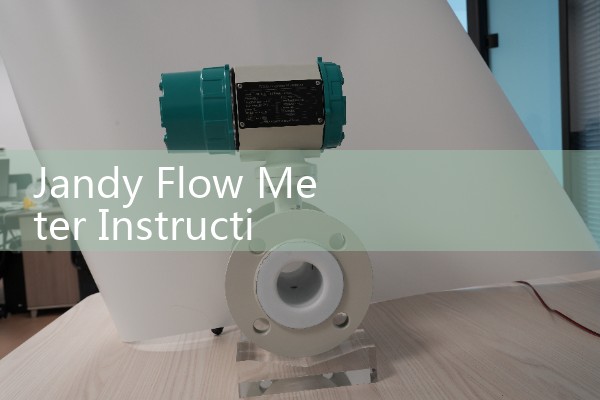
Silver Instruments supplies electromagnetic flow meters for chlorinated water, salt water, and heated pool water. Common sizes are DN40, DN50, DN65, DN80, and DN100. The liner is PTFE or hard rubber. Electrodes are 316L, titanium, or Hastelloy. For salt chlorinator loops, use titanium electrodes. Output is 4-20 mA HART, pulse, or RS485 Modbus. Accuracy is 0.5 percent of reading.
This works for control panels that expect a 4-20 mA signal. The display shows GPM, L/min, or m3/h. The empty pipe detection function prevents false readings when the pump is off. If the Jandy flow meter instruction calls for a paddle wheel replacement, an electromagnetic flow meter can be a long life alternative. No moving parts means less drift in turbid or scaled water.
Common Values We See in Commercial Pools
In our export markets, a 25 meter lap pool in Southeast Asia often holds 80,000 to 120,000 gallons and runs at 300 to 500 GPM. A small hotel pool in the Middle East may hold 15,000 gallons and run at 40 to 70 GPM. Pipe size matters. For DN80 pipe, flow above 130 GPM is fast but still within range for a full bore electromagnetic flow meter.
FAQ: Five Questions About Jandy Flow Meter GPM Balance
Q1: How do I calculate pool turnover from a Jandy flow meter reading in GPM?
Turnover hours = pool volume gallons / (GPM x 60). For 30,000 gallons and 90 GPM, turnover is 30,000 / (90 x 60) = 5.6 hours. A 6 hour turnover needs about 83 GPM for that pool.
Q2: Can I use one flow meter for both the chlorinator and heater loop?
Only if they are in series on the same full flow line. If the chlorinator or heater has a bypass, install separate meters on each branch. One main meter cannot show branch flow after a bypass valve opens.
Q3: What pipe sizes fit a Silver Instruments electromagnetic flow meter?
We stock DN15 to DN300 as standard. For pool equipment rooms, DN40 to DN100 are the most common. Send us your pipe outer diameter, schedule, and liner requirement.
Q4: Can the meter handle salt water pools?
Yes. Use a PTFE liner and titanium electrodes. Salt levels from 3,000 to 5,000 ppm are normal. A magnetic flow meter measures the conductive water volume directly. It does not use a paddle wheel.
Q5: What output signal do pool control panels need?
Most panels accept 4-20 mA HART or pulse. We also supply RS485 Modbus. Tell us the control panel brand and input type. We will match the output card.
Send us your pool volume in gallons or cubic meters, pipe size in DN, required turnover in hours, and chlorinator GPM range. We will propose a flow meter with the right liner, electrode, and output signal.
Contact Silver Automation Instruments at Tel: +86-25-68650347 or WhatsApp: +86-25-52155837. WeChat: +86 15365082610.