

 Current position > Product detail
『Dakota Flow Meter: Sourcing Heavy Duty Commercial Utility Water Mains』Related information(clamp on meter|electromagnetic meter|venturi meterrotameter|orifice meter|ultrasonic flow meter|mass flow meter|coriolis mass flow meter|coriolis flow meter|magnetic flow meter|magmeter flow meter|magflow flow meter|mag meter flow meter|electromagnetic flow meter|vortex flow meter|turbine flow meter|thermal mass flow meter|thermal flow meter|rotameter flow meter)
Dakota Flow Meter: Sourcing Heavy Duty Commercial Utility Water Mains
Quick Answer: A heavy duty commercial utility water main needs a full bore meter with a durable liner, proper grounding, and an output that your SCADA or billing system can read. Silver Instruments supplies inline electromagnetic flow meters and clamp-on ultrasonic meters for DN50 to DN1200 water mains. Send us your pipe size, operating pressure, temperature, and flow range for a direct quote.
If you have a Dakota flow meter data sheet in front of you, this sourcing guide will help you compare it against real commercial water main conditions. We see this often from utility contractors in Southeast Asia, the Middle East, and Latin America. They have a consultant spec, or they need to replace an aging mechanical meter. They want to know which flow technology survives long term on a buried or surface main.
What Heavy Duty Commercial Utility Water Mains Really Demand
Utility water mains are not the same as a DN15 process line inside a plant. They run at high volume, often low pressure, and sometimes low conductivity. The meter must stay accurate after years of silt, chlorine, and variable flow. A commercial main can sit at low flow at night and hit peak flow in the morning. That turndown matters.
For a commercial utility main, we recommend a full bore electromagnetic flow meter first. It has no moving parts and no pressure drop. The liner and electrode materials do the job. For temporary verification or a line that cannot be shut down, a clamp-on ultrasonic flow meter works well. But the pipe wall condition and liner type must be checked.
Key Specs for a Dakota Flow Meter Comparison
Start with line size. Commercial water mains often fall between DN80 and DN600. Some zones go up to DN1200. Check the meter body. A reduced bore meter can create pressure loss and cavitation at high velocity. Full bore is safer for utility water.
Pressure rating is next. Most commercial water mains operate below 10 bar, but surge pressure can exceed that. We usually quote PN16 as a minimum for water distribution. If the line is in a pump station or a high rise district, PN25 is a better choice. Tell us the maximum pressure at the meter location, not just the static pressure.
Temperature is less complicated for cold water. A standard EPDM liner and 316L electrodes cover 0 to 70 degrees Celsius. If the utility uses chloraminated water or aggressive chemicals for line cleaning, you may need PTFE lining or Hastelloy C electrodes. This is a common skip point. Many buyers choose the cheapest liner and then replace the meter after two years.
Materials and Liner Selection
On a potable water line, EPDM rubber lining is approved and cost effective. On raw water, hard rubber or polyurethane works. On treated effluent or reuse water, check the pH and residual chlorine. Silver Instruments often recommends PTFE lining and 316L electrodes for reuse water. If the water authority adds ferric chloride or sodium hypochlorite, specify corrosion resistant electrodes from the start.
Here is the thing. Liner failure is the main reason we see electromagnetic flow meters fail on utility lines. A small tear in the liner lets water reach the coil and the meter drifts. That is why we ask about water chemistry before quoting. It is not a sales question. It changes the bill of materials.
Electromagnetic vs Ultrasonic for Commercial Water Mains
An inline electromagnetic flow meter from Silver Instruments gives you plus or minus 0.5 percent accuracy on most clean water applications. It outputs 4-20 mA HART, RS485 Modbus, and pulse. Utility billing
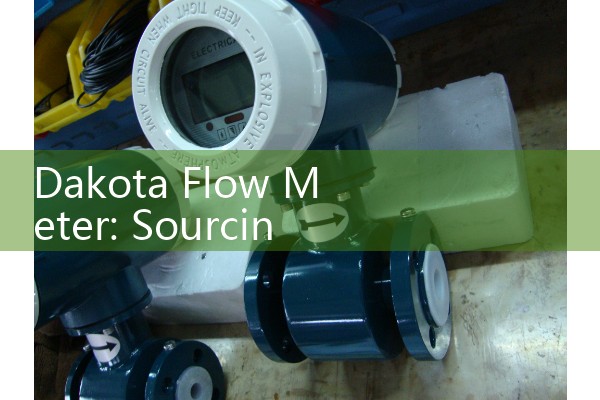
A clamp-on ultrasonic meter works when you cannot cut the pipe. It measures flow from outside the pipe wall. Accuracy is lower on old iron or concrete pipe because the signal path becomes unpredictable. But for a quick audit or a leak study, it is a practical tool. In practice, we sell more inline electromagnetic meters for permanent utility mains and more ultrasonic meters for temporary checks.
Installation Straight Runs and Grounding
Most engineers skip this part and then wonder why the meter reads high or low. An electromagnetic flow meter needs straight pipe upstream and downstream to develop a stable velocity profile. For a DN200 meter, plan for at least 5D upstream and 3D downstream. If you have a partially open butterfly valve or a pump close by, add more straight run or use a flow conditioner.
Grounding is another detail. On a plastic or lined pipe, use grounding rings or grounding electrodes. Without proper grounding, the meter signal becomes noisy. We have seen this on customer sites many times. A project in Vietnam used a spool piece with no grounding rings and the reading jumped by 10 percent. The fix was simple but the downtime was not.
How to Send a Sourcing Request
Do not send a one line inquiry that says you need a water flow meter. That delays the quote. Send us the following details: pipe size in DN, pipe material, operating pressure in bar, water temperature in degrees Celsius, flow range in m3/h, and the signal output you need. If you have a Dakota flow meter model or a data sheet, include that too. We will check the equivalent Silver Instruments meter and show you the cost difference.
You can reach Silver Automation Instruments directly at Tel: +86-135-1213-1526 or Whatsapp: 86-135-12131526. For WeChat users, add +86 13512131526. We reply to sourcing questions from utility contractors, water authorities, and distributors in Southeast Asia, the Middle East, Latin America, and Africa.
FAQ
Can a Dakota flow meter be replaced with a Silver Instruments electromagnetic flow meter? Yes. If the line size, liner, pressure rating, and output match, a Silver Instruments electromagnetic meter can replace most commercial water main meters. Send us the old data sheet and we will check the dimensions and flange standard.
What is the maximum line size you can supply for a utility water main? We supply inline electromagnetic flow meters from DN15 up to DN1200. For larger custom mains, we can quote on request. Most commercial utility meters fall between DN80 and DN600.
Which flow meter is better for a buried water main? An inline electromagnetic flow meter with IP68 sensor rating and sealed cable length is better. You can install the converter above ground in a cabinet. This setup works well for utility metering pits.
Do you supply meters for billing or custody transfer? We supply meters for utility billing, district metering, and process monitoring. For official custody transfer, the utility may require local type approval. Tell us the country and the standard and we will check the certificate status.
What signal output do utility SCADA systems usually need? The most common outputs are 4-20 mA HART and RS485 Modbus. Pulse output is also available for totalizing. Silver Instruments meters support all three on most models.
Send us your pressure in bar, temperature in degrees Celsius, pipe size in DN, and flow range in m3/h. We will reply with a specific model and price. No generic brochure. No long follow up chain.