

 Current position > Product detail
『Domestic sewage flow meter』Related information(clamp on meter|electromagnetic meter|venturi meterrotameter|orifice meter|ultrasonic flow meter|mass flow meter|coriolis mass flow meter|coriolis flow meter|magnetic flow meter|magmeter flow meter|magflow flow meter|mag meter flow meter|electromagnetic flow meter|vortex flow meter|turbine flow meter|thermal mass flow meter|thermal flow meter|rotameter flow meter)
1. Sewage Well Flow Detection Plan
The sewage well flow detection plan needs to be combined with equipment selection, installation method, data acquisition and transmission, and analysis management system design. The following is the specific plan:
1. Selection of Flow Detection Equipment Common sewage well flow detection equipment includes vortex flowmeter, electromagnetic flowmeter, and ultrasonic flowmeter, which need to be selected according to the characteristics of the sewage, well structure, and budget: Vortex flowmeter: based on the Karman vortex principle, suitable for measuring sewage containing solid particles, but it needs to ensure stable flow velocity and avoid interference with vortex shedding frequency. Its advantages are simple structure and low maintenance cost, but it has high requirements for installation environment and needs to avoid strong vibration. Electromagnetic flowmeter: Using Faradays law of electromagnetic induction, the flow rate is calculated by measuring the induced electromotive force generated by the conductivity of sewage. Suitable for conductive wastewater (such as domestic sewage and industrial wastewater), it has the characteristics of high precision, corrosion resistance, and no pressure loss, but the electrodes need to be calibrated regularly to prevent dirt deposition. Ultrasonic flowmeter: It calculates flow rate by emitting ultrasonic signals and measuring their propagation time difference, and is divided into time difference method and Doppler method. The time difference method is suitable for cleaning liquids, while the Doppler method is suitable for wastewater containing suspended particles. It has the advantages of non-contact measurement and convenient in
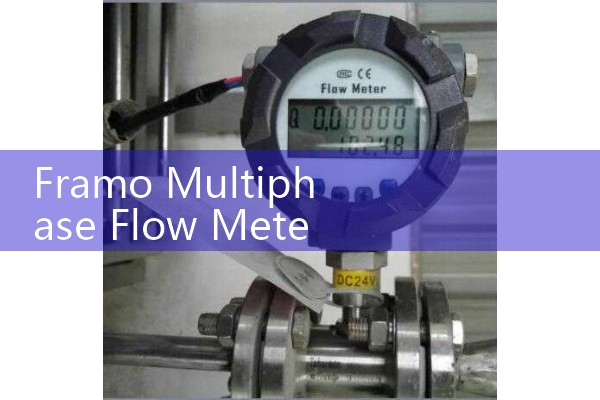
2. Equipment installation position and method. The installation position and method directly affect the measurement accuracy and equipment life. The following principles should be followed: Installation at the outlet: prioritize installing the flowmeter on the sewage well outlet pipeline, where the flow rate is stable and can reflect the total discharge. During installation, it is necessary to ensure that the pipeline is full to avoid measurement errors caused by non full pipe conditions. Installation at the entrance (optional): Install a flow meter in the sewage well inlet pipeline to monitor the inflow rate and assist in analyzing changes in water level inside the well. However, it should be noted that the flow velocity at the inlet fluctuates greatly, and equipment with strong anti-interference ability (such as electromagnetic flow meters) should be selected. Installation requirements: Stability: The equipment should be firmly fixed to avoid displacement due to vibration or water flow impact. Waterproof performance of celery hail: Select IP68 level protective equipment to ensure long-term immersion without damage. Requirement for straight pipe section: A certain length of straight pipe section (usually 5D in the front and 3D in the back, where D is the pipe diameter) should be retained before and after the flowmeter to eliminate the influence of eddy currents. Figure 2: Installation diagram of flowmeter in the outlet pipe of sewage well
III. Data acquisition and transmission method: Choose wired or wireless transmission according to the site condi